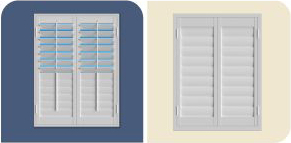
How Difficult Are DIY Shutters?
Getting home design projects done by yourself in Tampa has never been easier. With resources easily available to walk you through every step, a lot of projects that used to be hard are now very doable by yourself.
There are exceptions, though – projects that may be cumbersome, time-consuming, or just too complex to do on your own. One job that might be part of that category is installing DIY plantation shutters.

These are just a handful of the problems that can come up when trying to put in shutters as a DIY project.
DIY Window Measuring for Shutters
Although it may look easy at the start, getting the correct window measurements for plantation shutters can get a little tricky. As one of our shutter experts says, “There are a thousand ways to measure windows wrong, but only one way to measure right54.” There’s a lot of ways windows can vary that can affect how you should measure for shutters.
For example, will your shutters be on an inside mount or an outside mount? What’s the thickness of the shutter frame you’re looking at and how deep into the window jamb should it go? Which kind of frame is needed for casement-in windows, swinging windows or sliding windows?
The answers to each of these questions can affect which type of shutters and frame are appropriate. By extension, that changes how you measure your windows.
Buying DIY Shutters
The next pitfall for DIY shutters can appear during the buying process. Just like the variation in windows, there’s a lot of ways shutter vary, and if you’re on your own, it’s easy to buy the wrong product. Here are a few easy to make mistakes if you’re a DIYer:
-
Purchasing shutters made of the wrong material. For example, purchasing hardwood shutters for a space in your home that needs to have a waterproof window treatment.
-
Picking a shutter build that blocks window movement, making it so you can’t fully open the window.
-
Getting a shutter with a frame that doesn’t work well with your specialty window like your sidelight windows.
We’ve also seen some added confusion about certain shutter terms. Working with shutter experts can help clear up any confusion, so you get exactly what you think you’re getting when you buy your shutters.
Installing Shutters Yourself
The most difficult part of DIYing shutters, similar to any home project, is in actually installing them.
There are a few reasons it’s so difficult – first, shutter installation needs to be precise, and a slight slip-up in measuring at the beginning or in screwing in a bracket can throw a wrench in the whole project. Shutters can also be a little heavy; depending on the material and the position of your window, lifting a shutter can be strenuous and sometimes hazardous.

The majority of shutter DIYers are unaware that it’s fairly common for shutters to not exactly fit your window frame. This is mainly due to the fact that most window frames aren’t perfectly square. Attaching the shutter flush to one edge of the window could force the entire shutter to not be square and create gaps. Needing to caulk a quarter or half-inch gap is typical with shutter installations, and if you’re an inexperienced DIYer a caulking job could be a little too much.
Finally, when you do a shutter installation yourself, you don’t have anything to fall back on. If a professional installer puts in your shutters for you, they’ll usually guarantee the product and installation with a warranty. But if something goes awry when you try to install yourself, you’re on your own if there’s any damage to your windows or the shutters.